Why Native Plants?
California native plants are uniquely adapted to our environment, provide vital habitat for wildlife, and bring natural beauty to our communities. Protecting and promoting them is key to a healthier, more resilient future.

Ventura County
MiniNature Reserve is based in Ventura County—the fastest-warming county in the continental United States. This region is on the frontlines of climate change, facing hotter heat waves, longer droughts, and severe wildfires.
Ventura County has warmed 4.7°F since 1895—twice the global average.”— National Oceanic and Atmospheric Administration (NOAA)
Benefits of Native Plants
Native plants are a natural defense against climate extremes. They conserve water, stabilize soil, and create resilient habitats that help people and wildlife adapt to a hotter, drier future.
Biodiversity Support
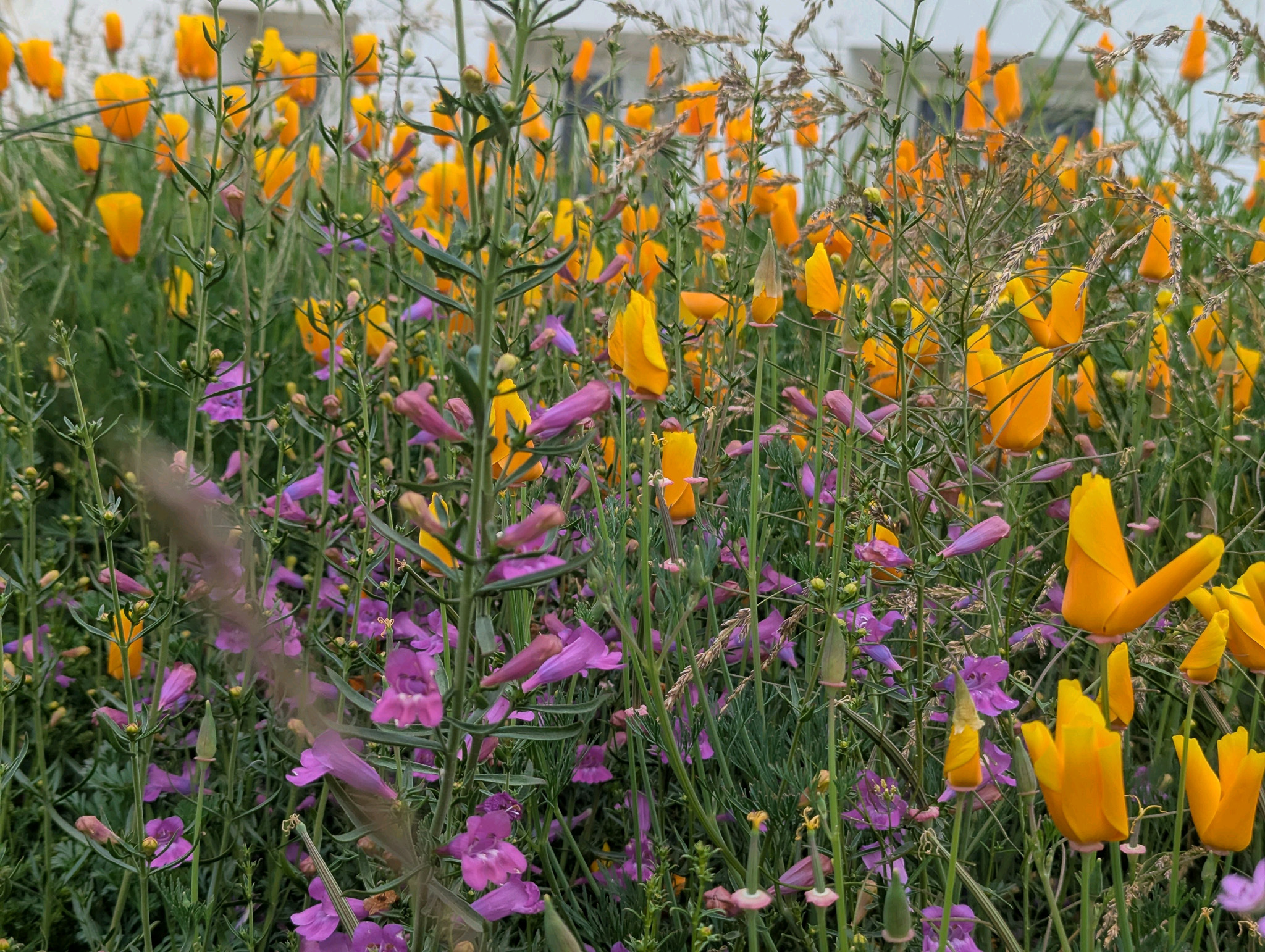
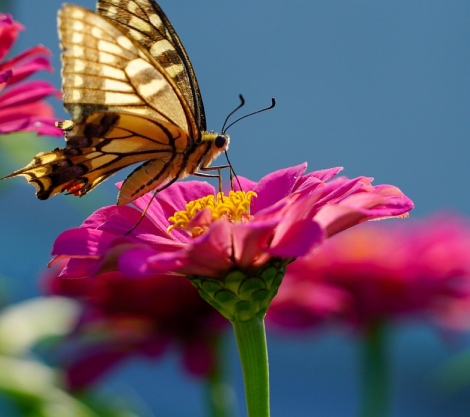
Native plants provide essential habitat and food sources for local wildlife, including insects, birds, and pollinators. This helps support and promote biodiversity.
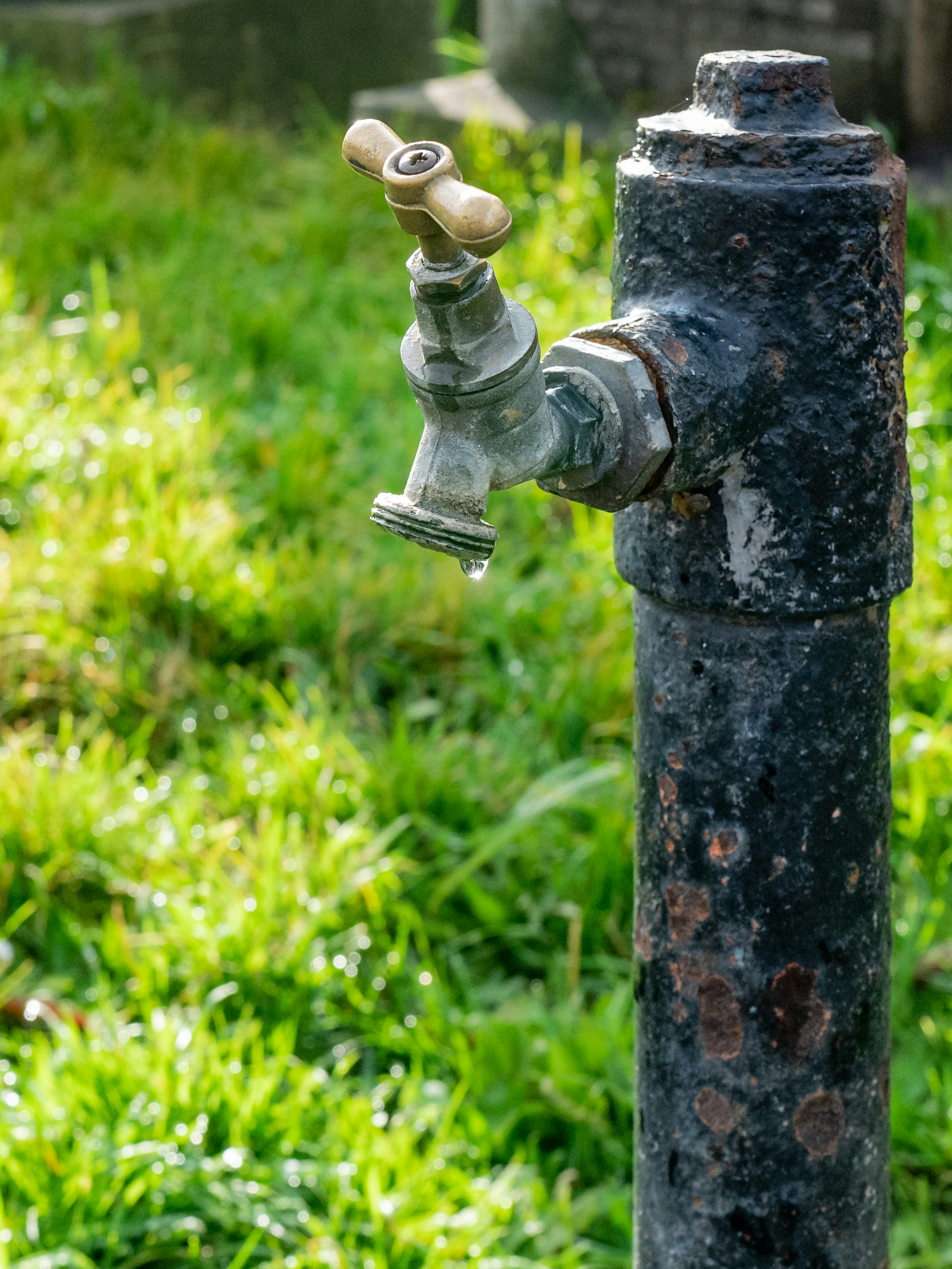
Water Conservation
Because they are adapted to local climates, native plants typically need far less water than non-native species, helping conserve precious resources in drought-prone regions.
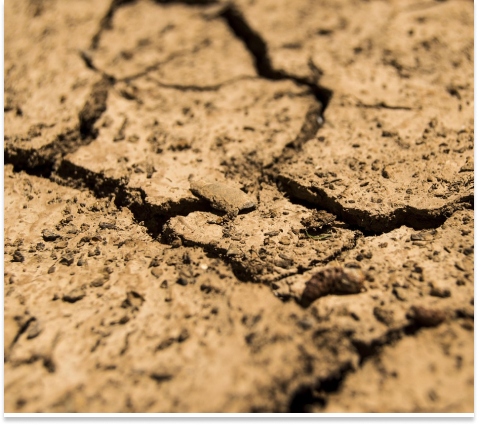
Reduced Soil Erosion
Deep-rooted native plants help stabilize soil and prevent erosion. This is particularly important in areas prone to soil erosion, such as riverbanks and coastal regions.

Improved Air Quality
Native vegetation help filter pollutants from the air, resulting in improved air quality. This is especially valuable in dense urban areas.
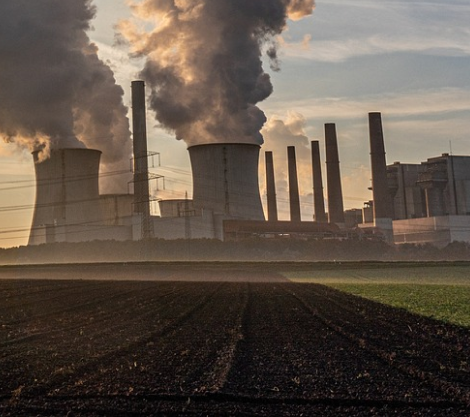
Carbon Sequestration
Native vegetation absorb carbon dioxide from the atmosphere, mitigating the effects of climate change by reducing greenhouse gas concentrations.

Low Maintenance
Native plants are generally well-adapted to local conditions, reducing the need for fertilizers, pesticides, and excessive maintenance. This can save both time and money.
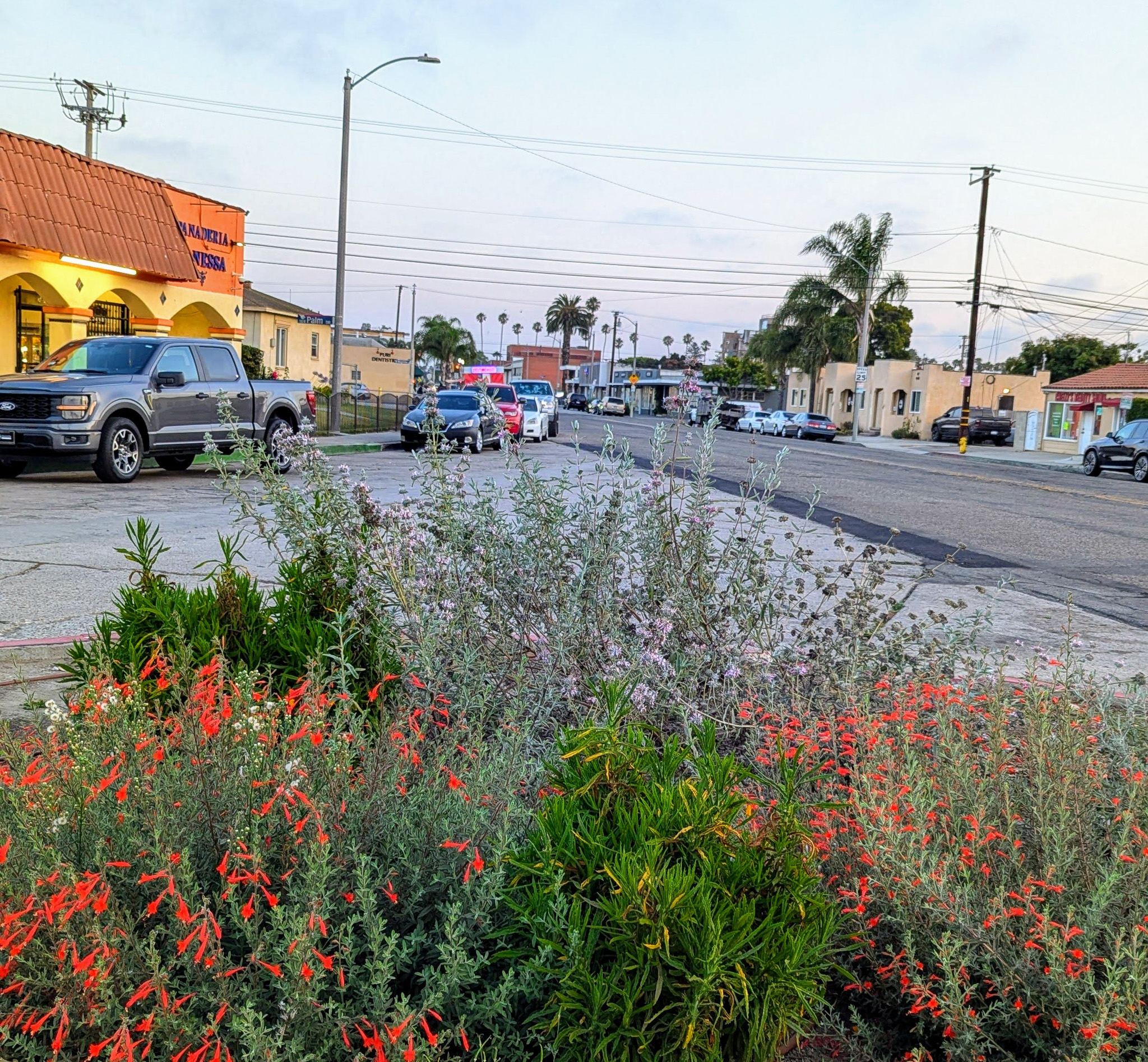
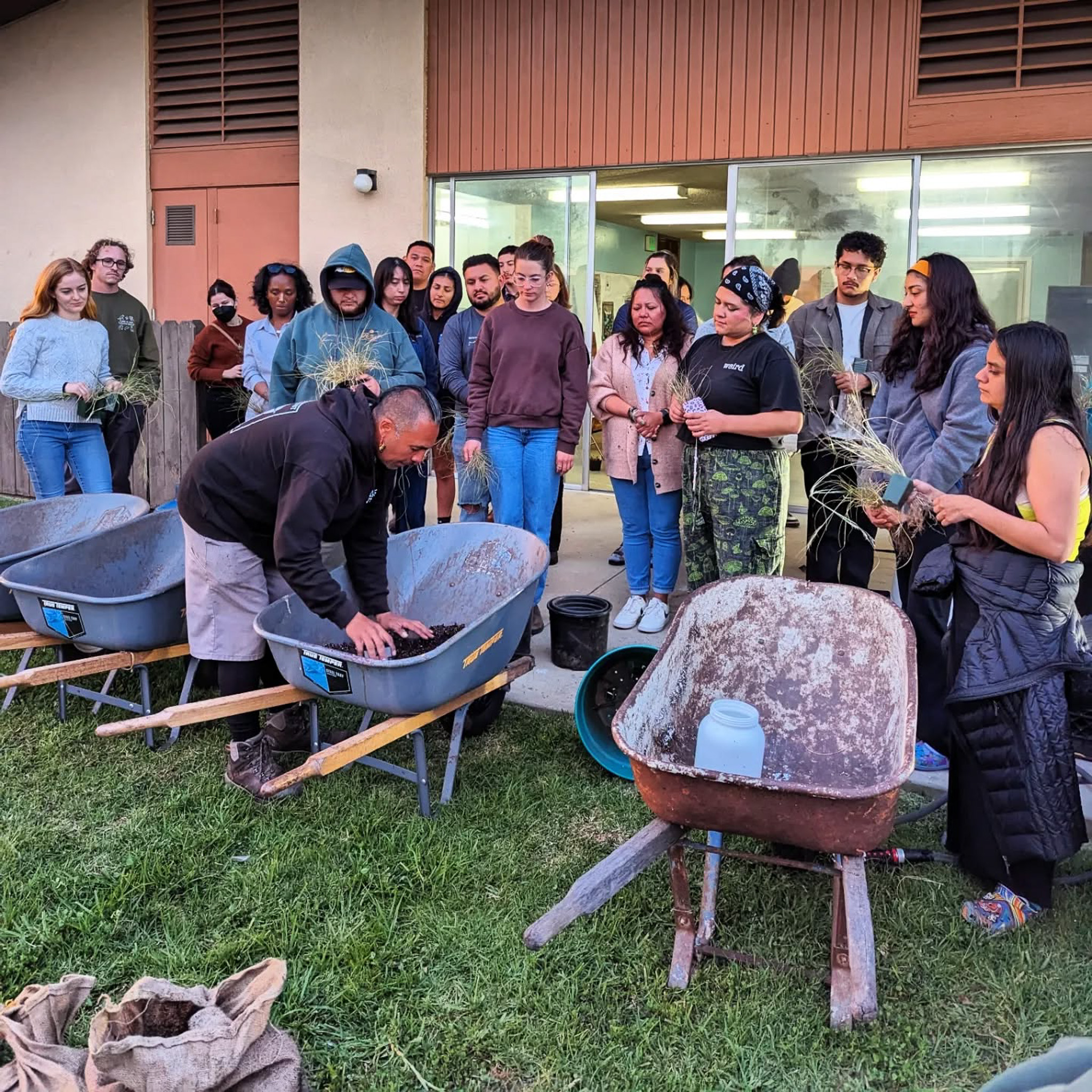
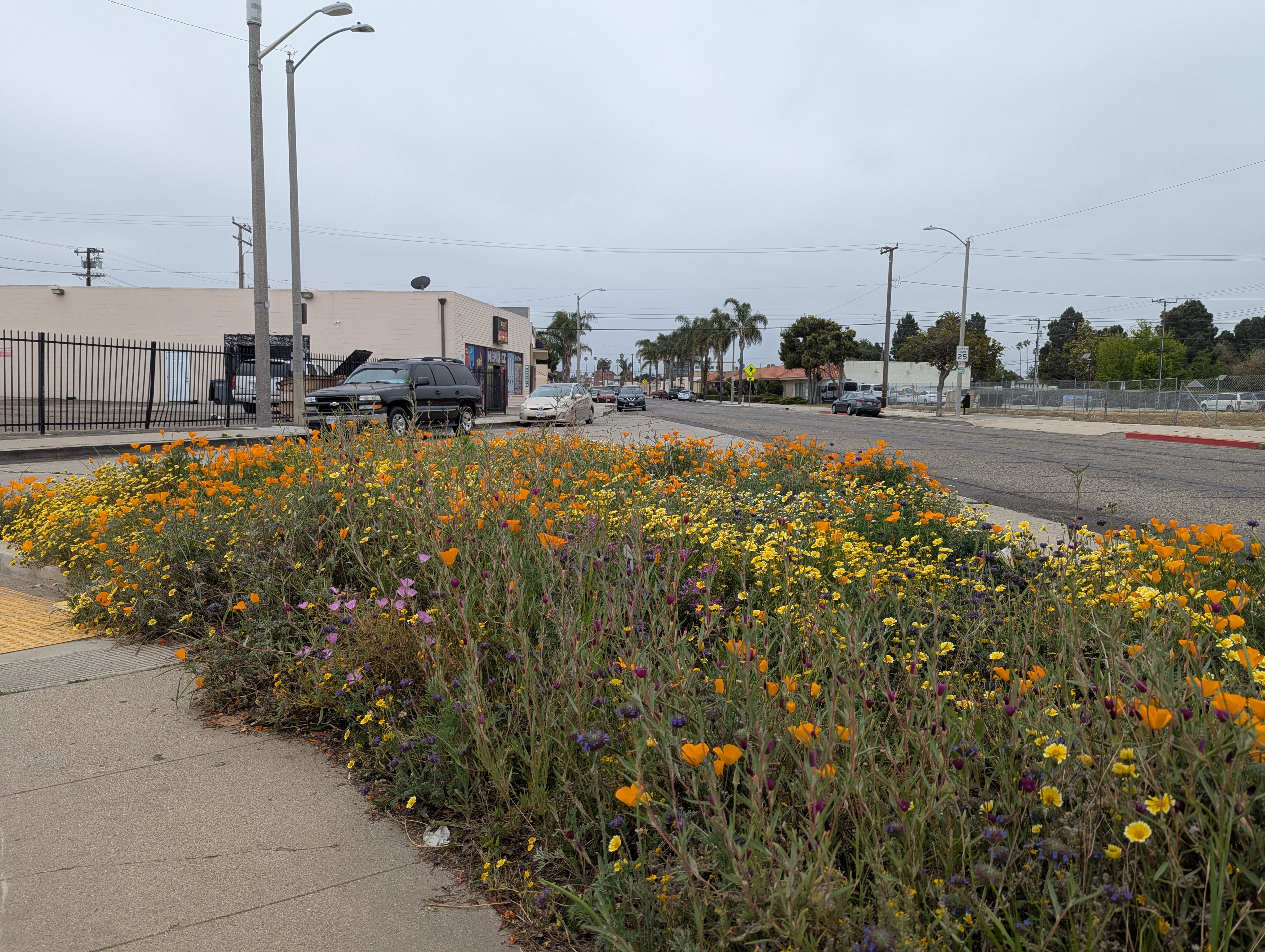
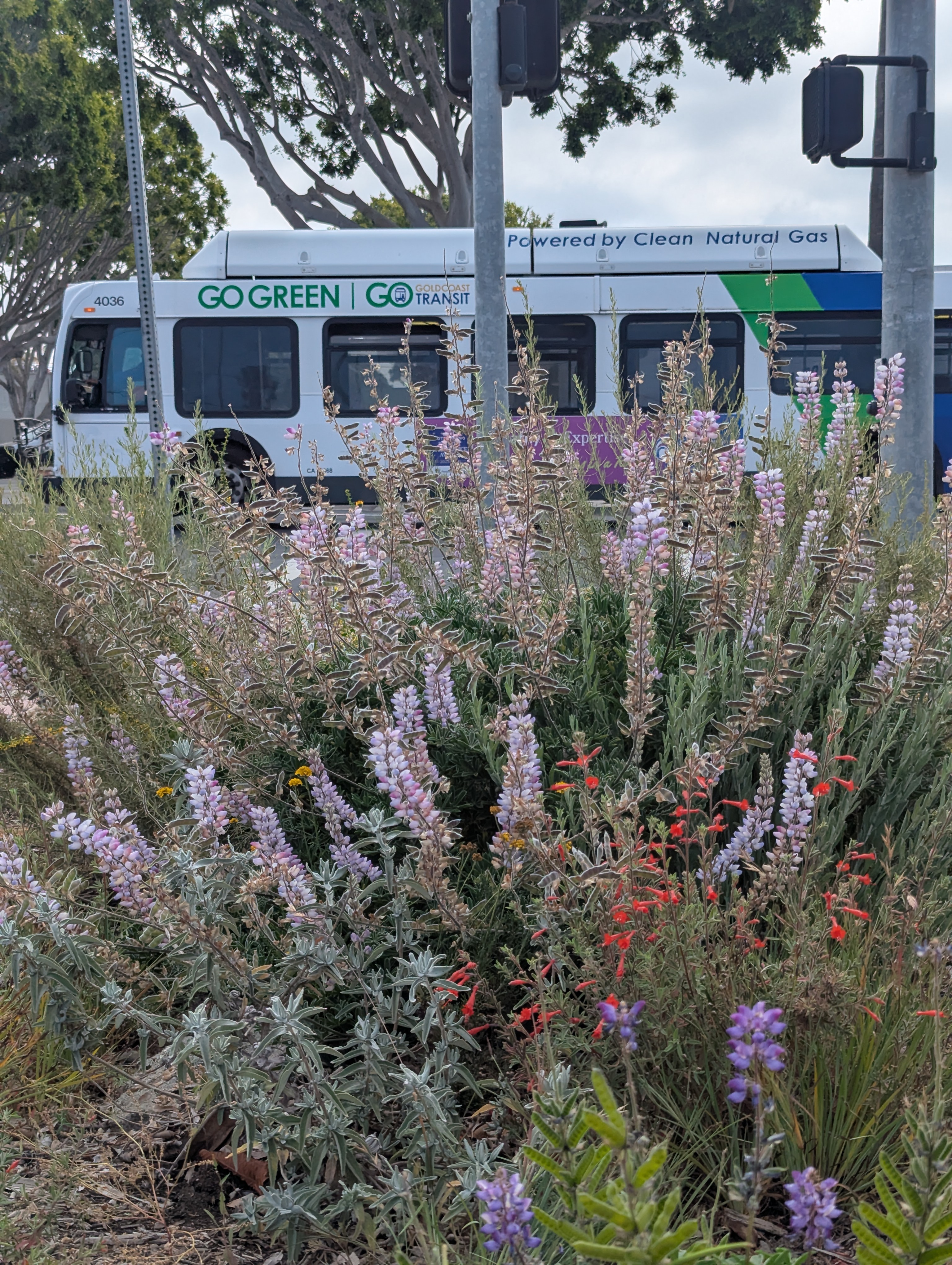
Native Plants in Action
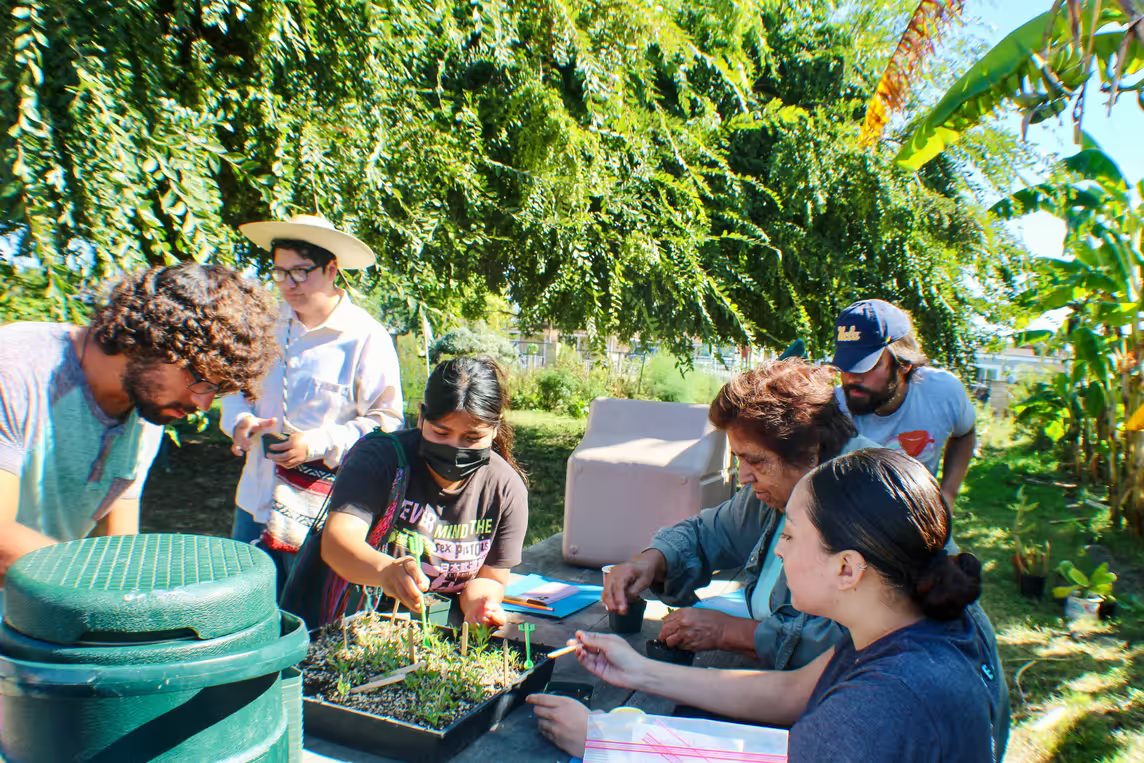
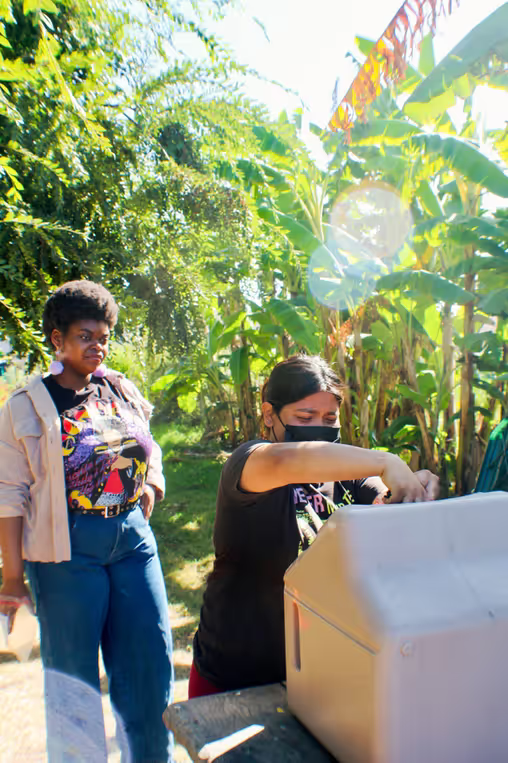
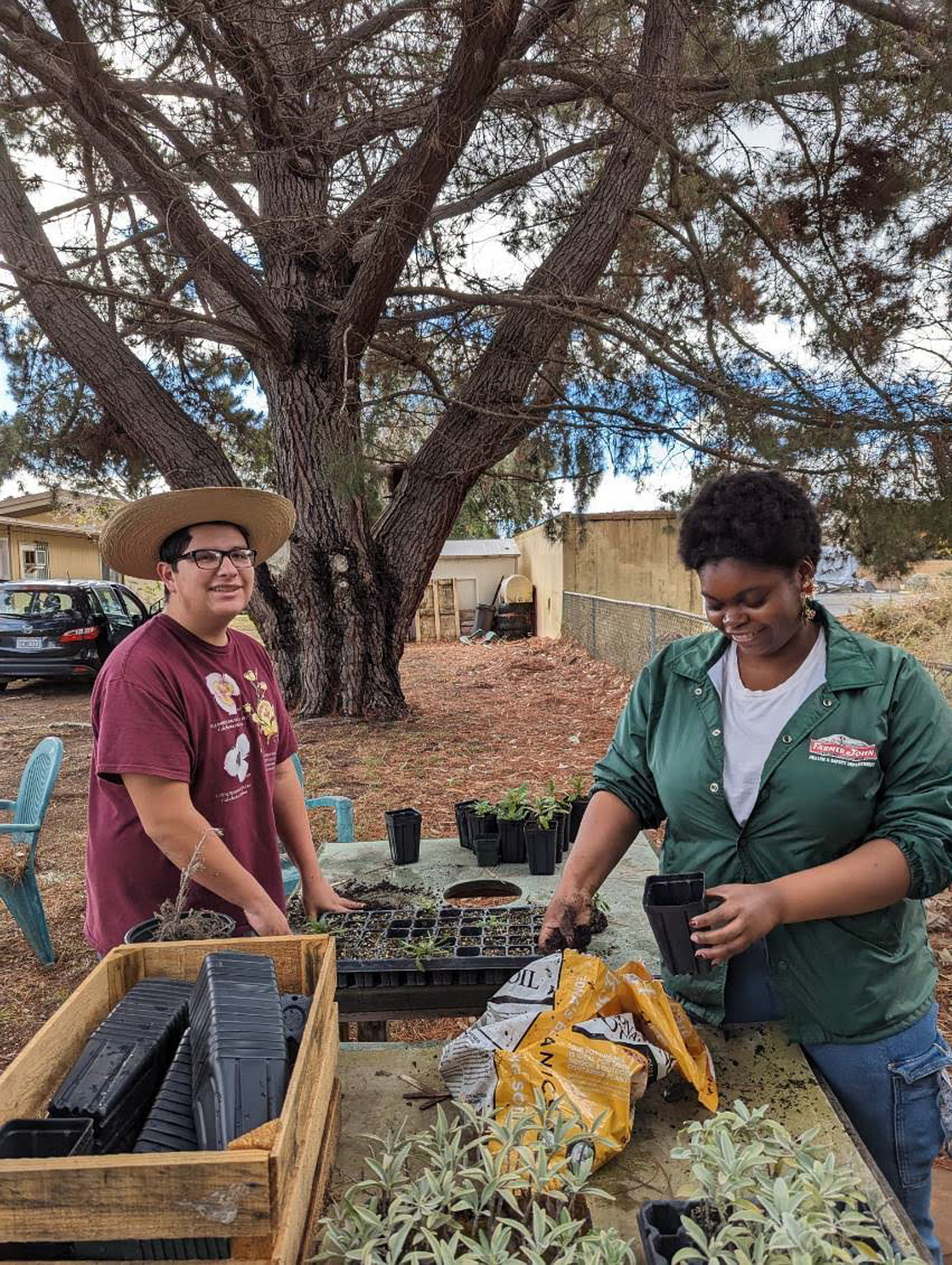
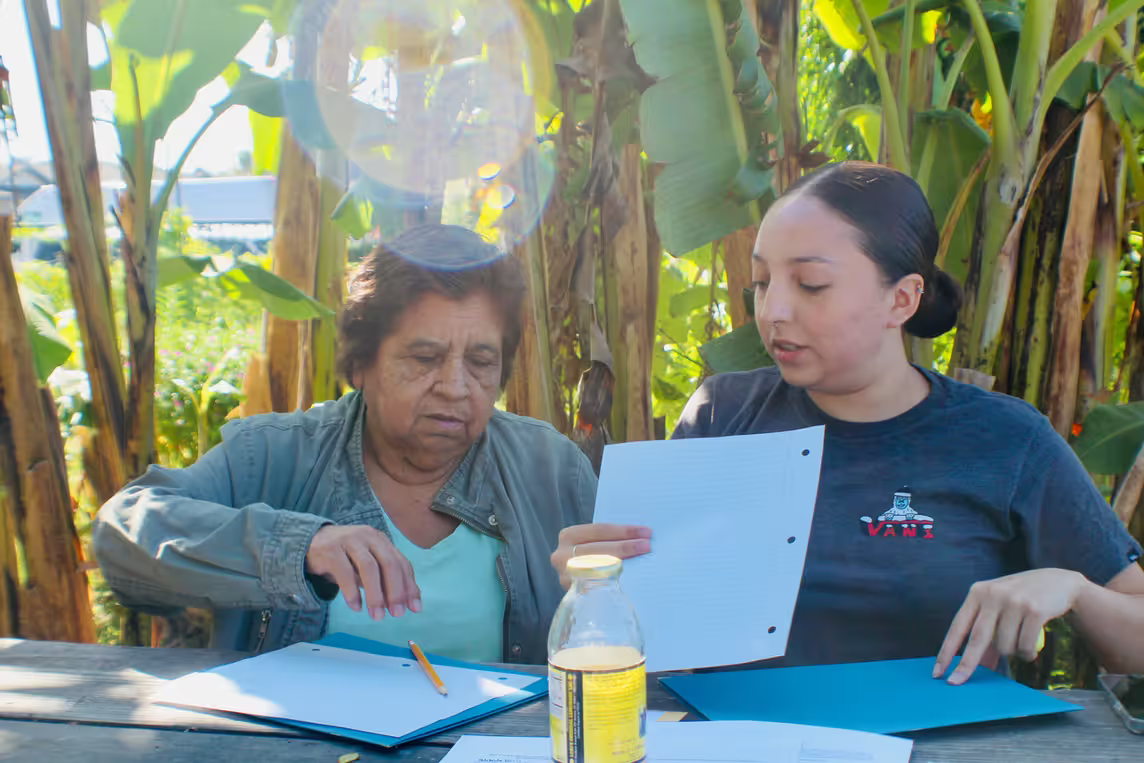
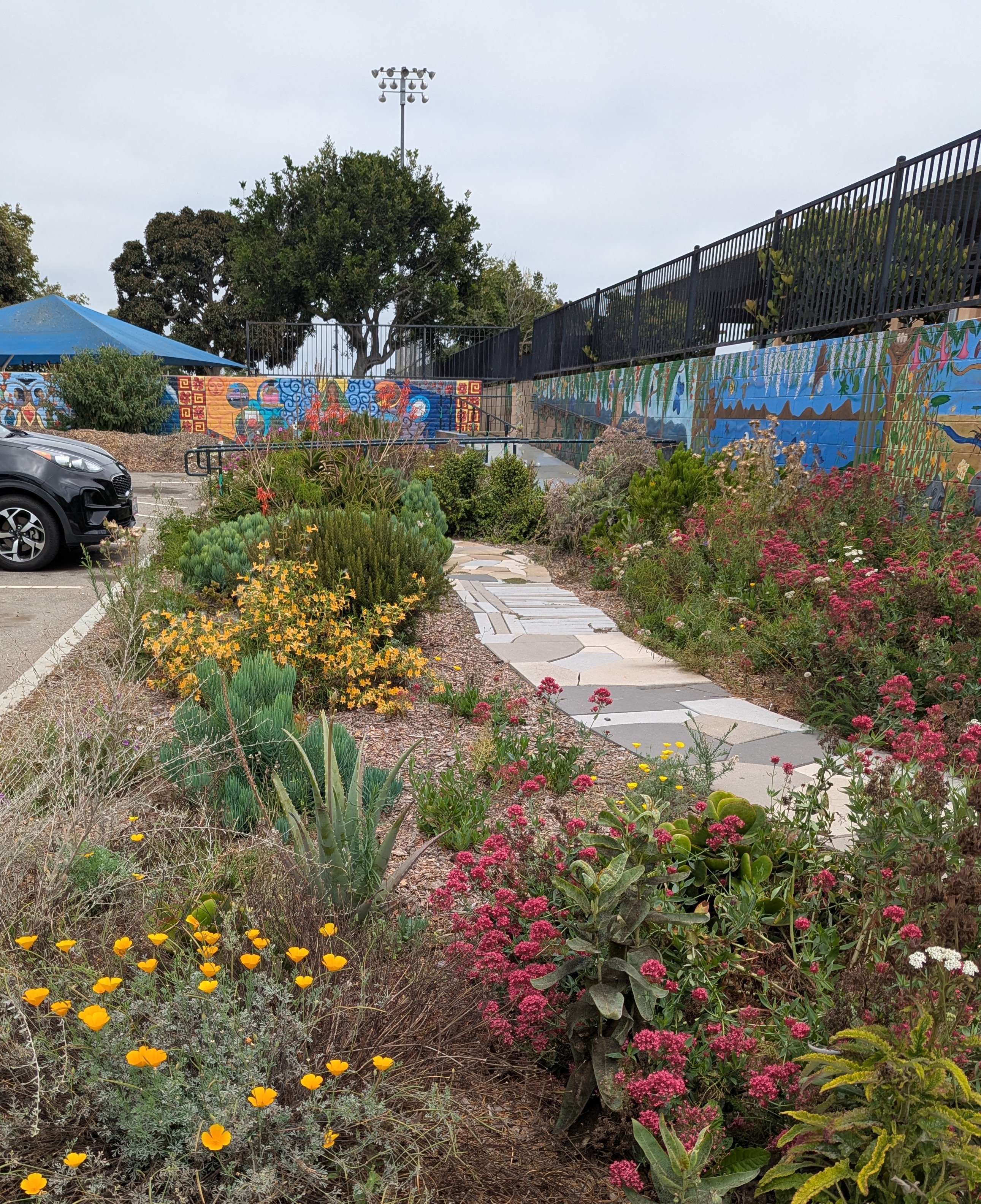
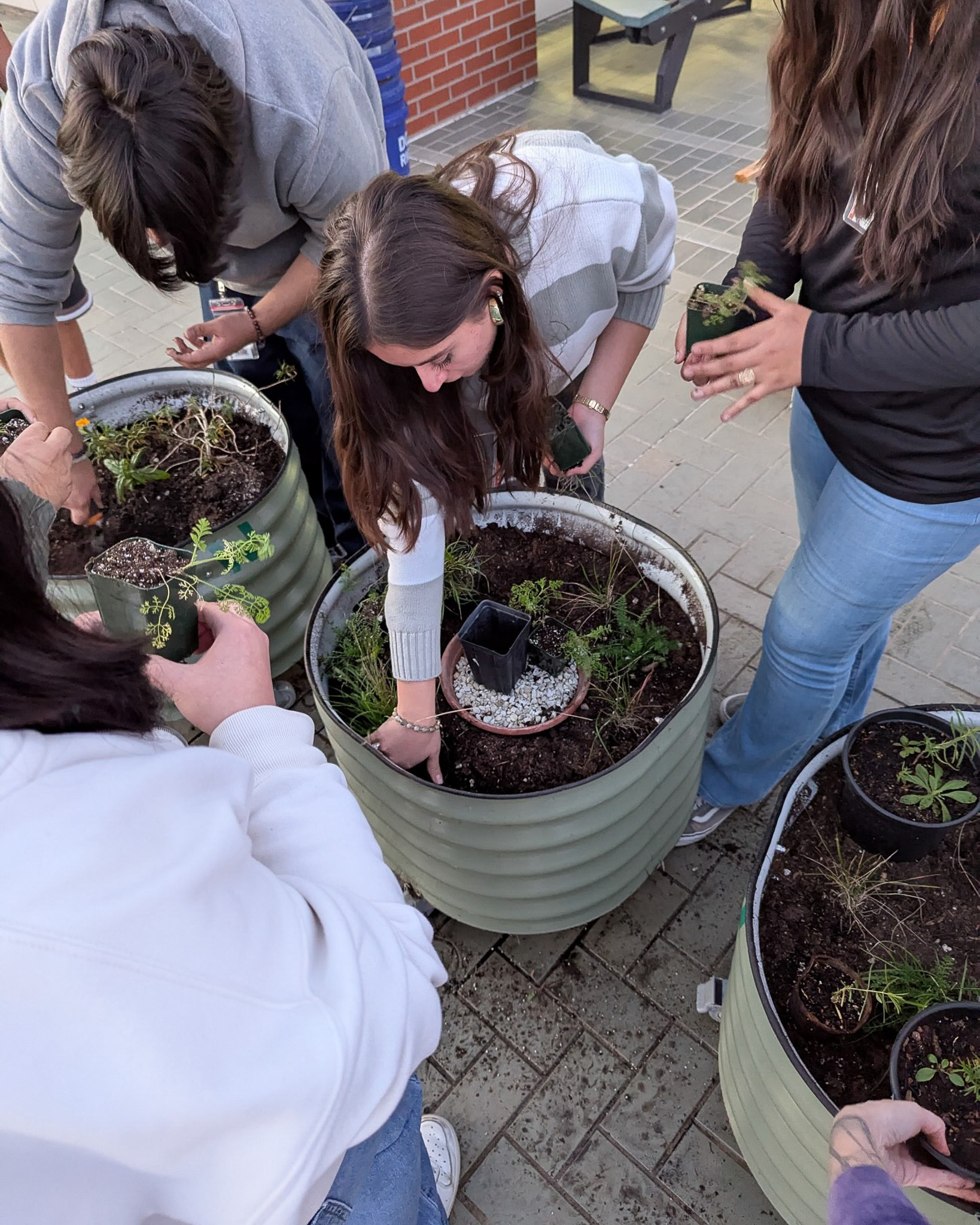
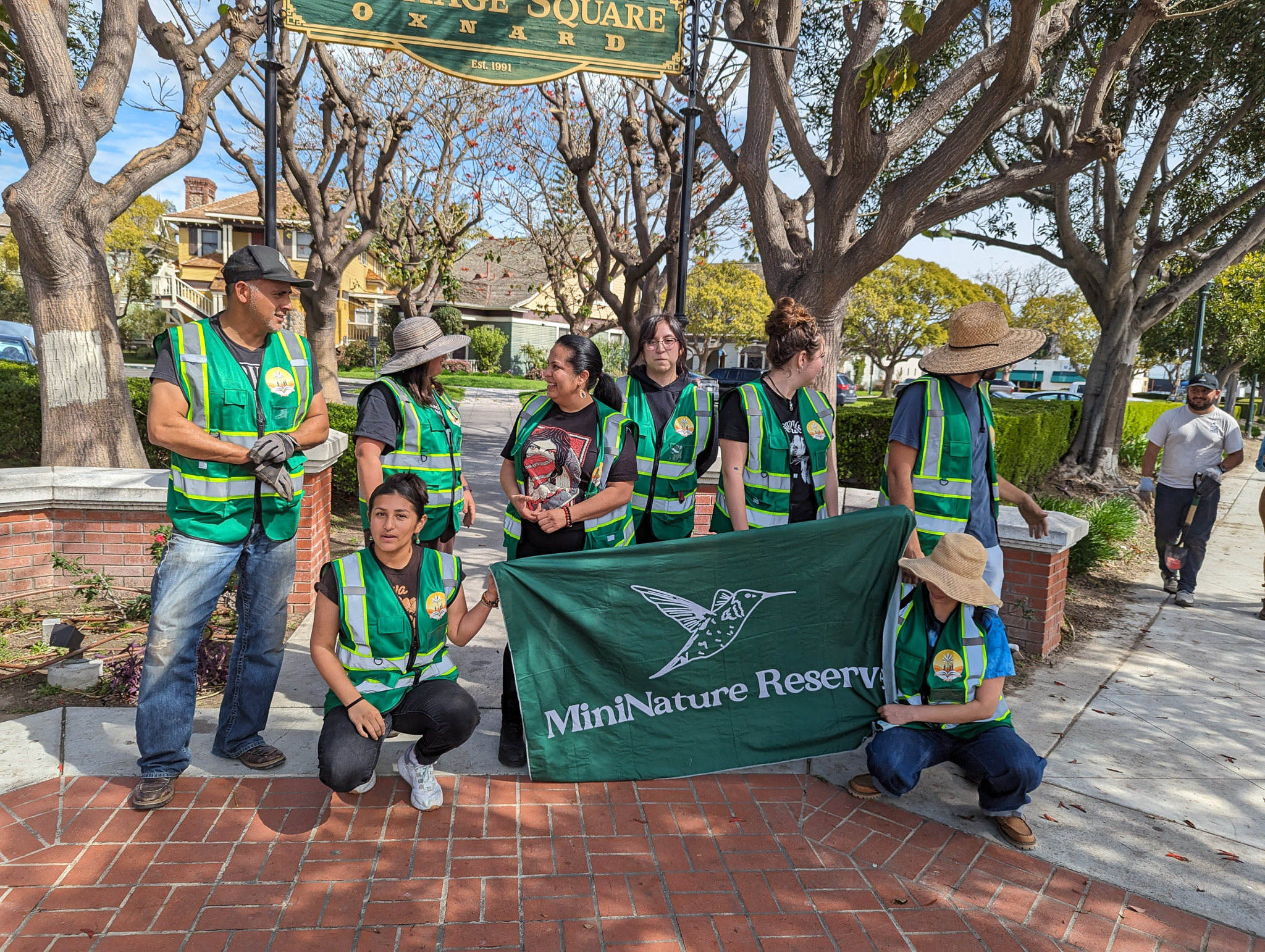
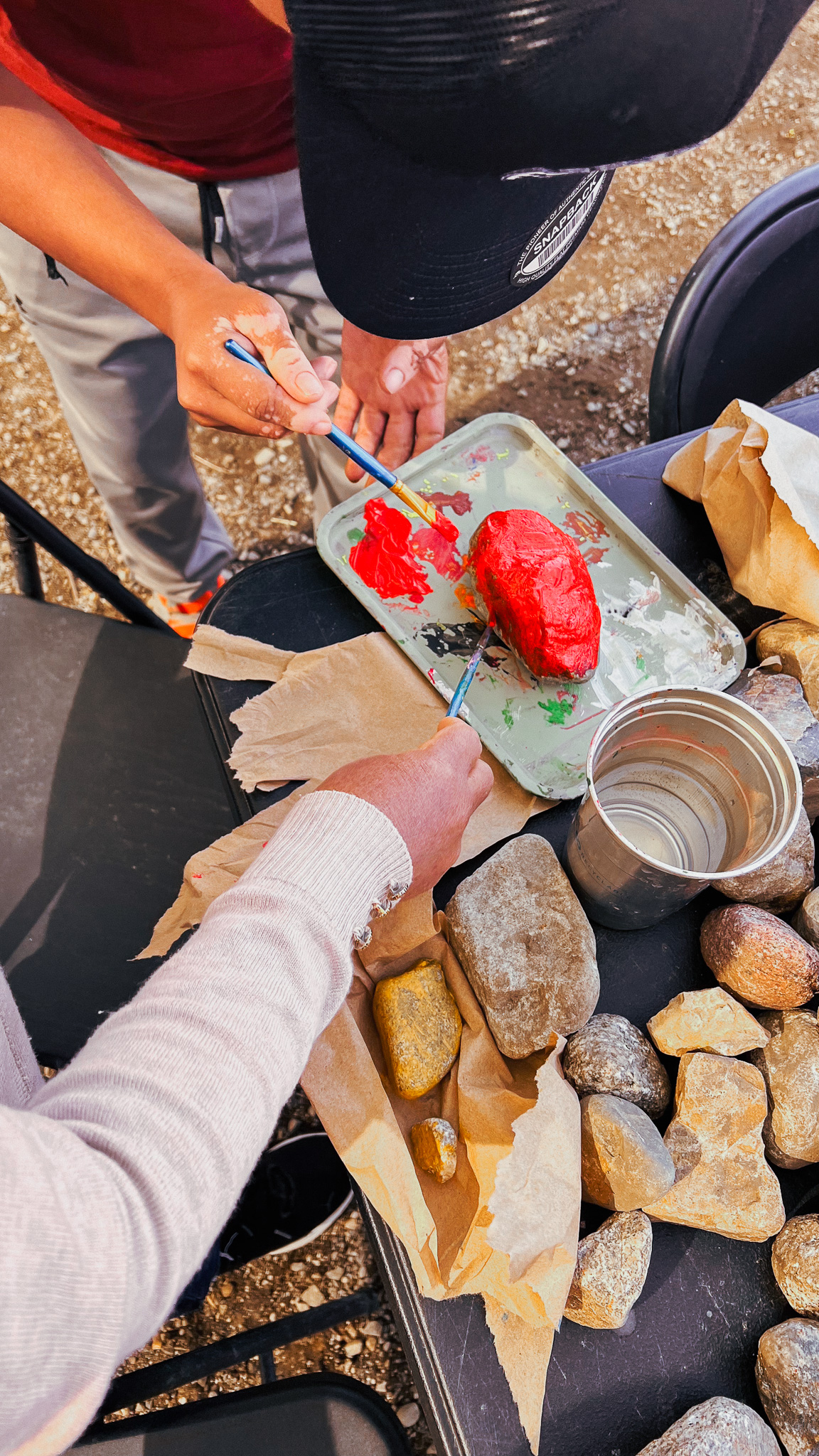
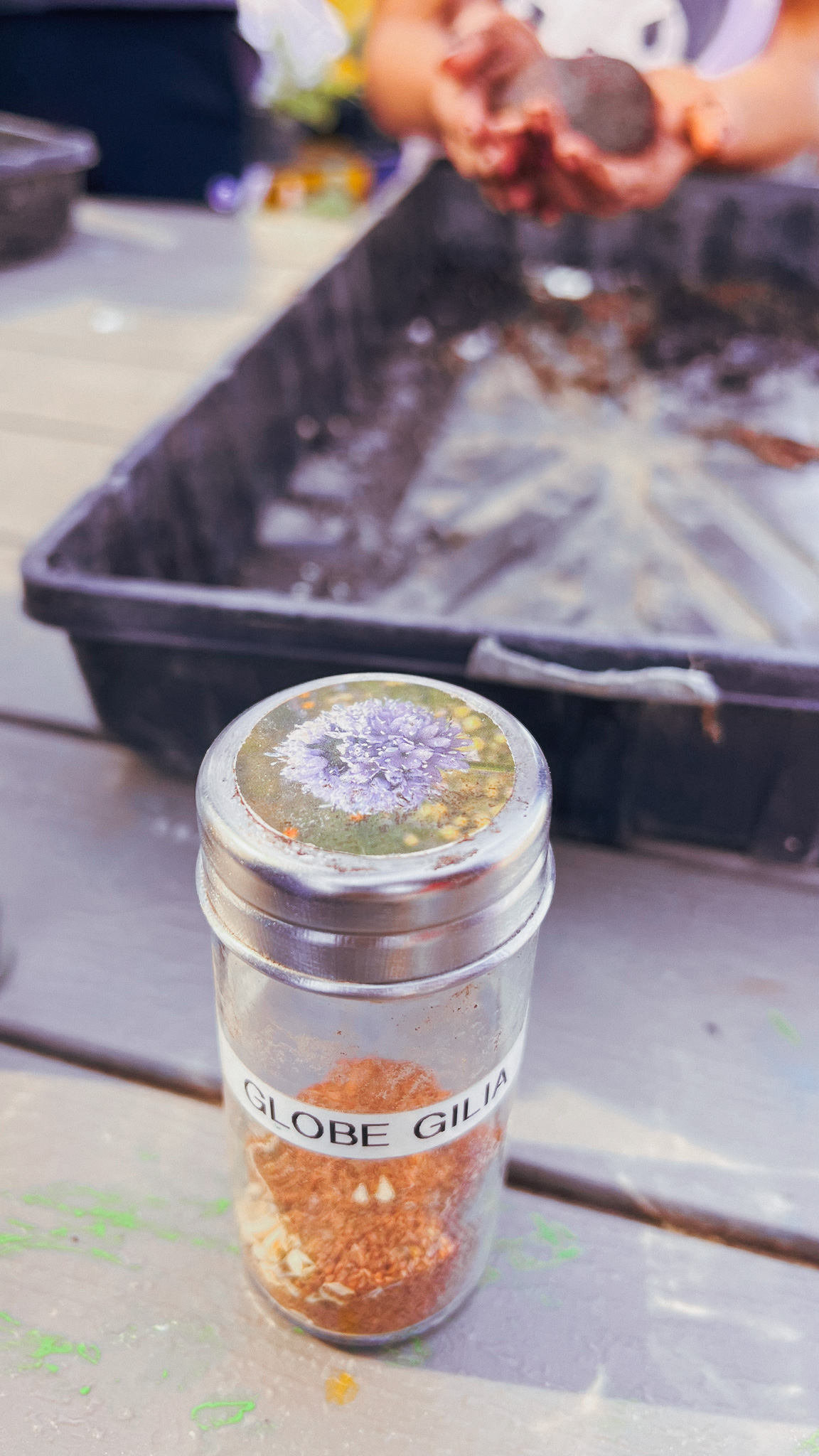
See the transformative power of native plants in our local community projects